Legacy Planning: More Than an Estate Plan
An estate plan answers a legal question: who receives your assets, and how. Legacy planning asks a broader one: what do you want your wealth, your values, and your name to accomplish after you are gone, and what can you start doing about it now? For many families, the answer includes children and grandchildren, a family business, a community, a faith, a school, or a cause.
This article explains how legacy planning differs from estate planning, how charitable giving and investment strategy fit in, and how to turn intentions into a plan your family understands.
Start Here: A Complimentary Wealth and Tax Review
Compound offers a complimentary, no-obligation wealth and tax review for families thinking about their legacy. A review may include:
Your current estate documents and beneficiaries: whether they reflect your intentions
Charitable giving: what you give today and the tax approach behind it
Investments: how assets earmarked for heirs or causes are invested
Tax picture: which assets may be most tax-efficient to give, and which to leave to family
Request your wealth and tax review.
What Is Legacy Planning?
Legacy planning is the process of defining what you want to leave behind, financial and otherwise, and aligning your wealth, taxes, and family communication with that purpose. It typically includes:
Values and intentions: what matters to you and why
Family legacy: how wealth will support heirs, and on what terms
Charitable legacy: the causes and communities you want to support
Business legacy: what happens to a company you built
Communication: how you share your plans with the people they affect
The legal documents, such as wills, trusts, and powers of attorney, are prepared by your estate attorney. Legacy planning gives those documents direction.
Legacy Planning vs. Estate Planning
A common way to see the difference: estate planning is about transferring assets, and legacy planning is about transferring meaning along with them. A well-drafted estate plan can still produce family conflict if no one understands the reasons behind it. A clear legacy plan may make the estate plan easier to carry out. Families with significant or complex wealth often benefit from working with a legacy family advisor across generations.
Building a Family Legacy
A family legacy is not only an inheritance. Many families also want to pass on habits, stories, and a sense of responsibility. Practical steps include:
Writing a letter of intent or family statement that explains your values and the reasoning behind your plans. It is not a legal document, but it can carry a great deal of weight.
Holding family meetings to share appropriate information and invite questions.
Defining conditions or guidance for how inherited wealth may be used, with your attorney's help if trusts are involved.
Involving the next generation in charitable decisions so they experience the family's values in action.
When the family has relied on one generation's advisor for years, transitions can be delicate. Our article on working with a father's advisor covers what families should know.
Charitable Giving as Part of Your Legacy
Charitable gifts can express values and, when planned well, may also provide tax benefits. Common approaches include:
Gifts of appreciated securities, which may allow a deduction while avoiding capital gains on the appreciation, subject to rules and limits
Donor-advised funds, which allow a contribution in one year and grants to charities over time, and can involve children and grandchildren in recommending grants
Qualified charitable distributions from IRAs for eligible individuals, which may satisfy required distributions without adding to taxable income
Charitable remainder trusts and private foundations, more complex structures that may suit families with larger or longer-term charitable goals
Which assets to give matters too. Pretax retirement accounts are often more tax-efficient to leave to charity than to heirs, because heirs generally owe income tax on withdrawals and charities generally do not. Coordinating tax planning and preparation with your giving plan helps align generosity with your tax picture.
Investing With Your Legacy in Mind
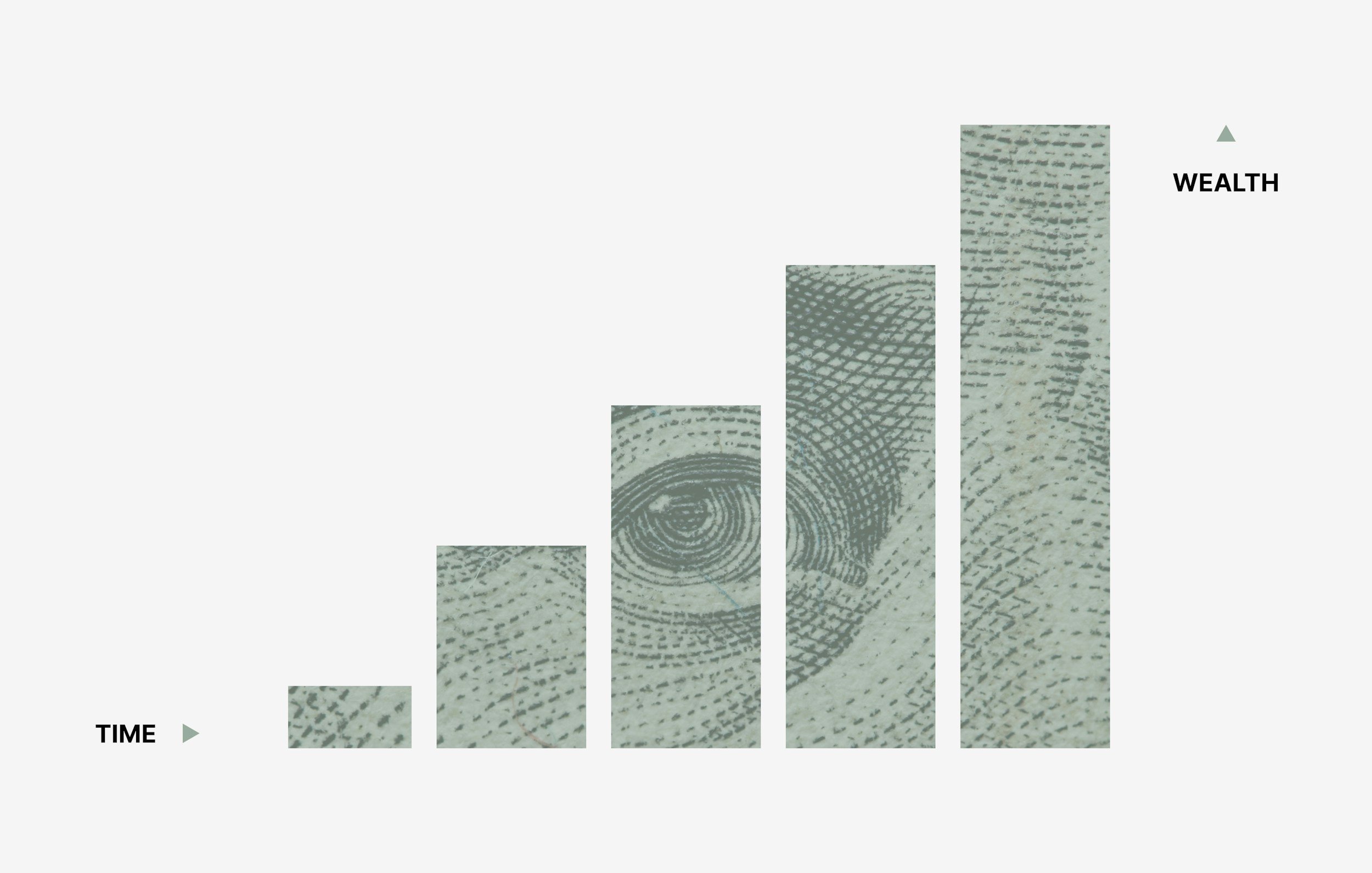
Money meant for future generations or a lasting gift may be invested differently from money meant for your own retirement. Wealth management can help you set aside assets by purpose, choose a time horizon for each, and review them as your plans change. The Compound calculator can show how a hypothetical gift or fund might grow over time under different assumptions. Results are hypothetical and for illustration only.
Legacy Planning for Business Owners
For many owners, the business is the legacy. Questions include whether the company stays in the family, how employees are treated in a transition, and how the business supports the community after you step back. Our article on estate and succession planning for industrial business owners addresses many of these decisions.
Legacy Planning in Wisconsin
Wisconsin families often have deep roots in their communities, family farms, and family businesses, and many give through local community foundations, schools, and faith organizations. Legacy planning in Wisconsin should also account for state-specific rules, such as Wisconsin's marital property system, with guidance from your estate attorney. Compound works with families throughout Wisconsin, including Milwaukee, Madison, Green Bay, Appleton, Waukesha, Racine, Sheboygan, and La Crosse, as well as surrounding areas. Our family office services in Wisconsin article explains how more complex families may coordinate this work.
Ready to put your intentions into a plan? Request a complimentary wealth and tax review.
Frequently Asked Questions
What is legacy planning?
Legacy planning is the process of defining what you want your wealth and values to accomplish for your family and causes, and aligning your estate plan, giving, investments, and taxes with that purpose.
How is legacy planning different from estate planning?
Estate planning focuses on the legal transfer of assets. Legacy planning includes that transfer but also addresses values, charitable goals, family communication, and business succession.
How can I build a family legacy beyond money?
Many families write a letter of intent, hold regular family meetings, and involve the next generation in charitable decisions to pass on values along with assets.
What should I know about legacy planning in Wisconsin?
Wisconsin is a marital property state, which can affect how assets are owned and transferred. Work with an estate attorney familiar with Wisconsin law.
Does Compound work with families outside of Wisconsin?
Compound serves clients throughout Wisconsin and in surrounding areas. Availability of investment advisory services in a given state may depend on registration requirements.
Compound is a registered investment adviser. Registration does not imply a certain level of skill or training. This article is for informational and educational purposes only and should not be construed as personalized investment, tax, or legal advice. Tax laws are complex and subject to change. Strategies discussed may not be suitable for everyone, and there is no guarantee that any strategy will achieve its objectives or reduce taxes. Calculator results are hypothetical, are not guarantees of future results, and do not reflect any actual investment. Investing involves risk, including possible loss of principal. Diversification does not ensure a profit or protect against loss. Please consult your tax, legal, and financial professionals before acting on any information in this article. For more information, see Compound's Form ADV, available at adviserinfo.sec.gov.
About Compound Wealth
Many financial decisions involve more than one area of expertise. Compound Wealth provides integrated tax planning, wealth management, accounting, and business transition services so clients can evaluate financial decisions within a broader planning framework. This collaborative approach supports thoughtful conversations across multiple areas of financial life.